Why Pre Purchase Inspections Are Necesssary
The Ultimate Safety Net: Why Pre-Purchase Inspections are Non-Negotiable for Used Aircraft Buyers
Buying a used aircraft is an exhilarating milestone, whether it’s a nimble Cessna 172 for weekend hops or a high-performance turboprop for business travel. However, beneath a polished hangar reflection and a fresh coat of paint can lie deferred maintenance, hidden corrosion, or incomplete logbooks—issues that can transform a dream machine into a financial and safety nightmare.
This is where the Pre-Purchase Inspection (PPI) becomes the most critical tool in a buyer’s arsenal. Often described as a "comprehensive assessment," a PPI is far more than a simple walk-around; it is a deep dive into the mechanical and legal soul of the aircraft.
What is a Pre-Purchase Aviaton Inspection?
Unlike an Annual Inspection, which is a regulatory requirement to determine airworthiness, a Pre-Purchase Inspection is a private evaluation tailored to the buyer’s interests. While an Annual ensures the plane can fly safely today, a PPI aims to uncover what it will cost to keep it flying tomorrow.
It is a professional "discovery mission" conducted by an independent aviation mechanic or a specialized maintenance facility—ideally one with deep experience in that specific make and model.
The Anatomy of a Comprehensive Assessment
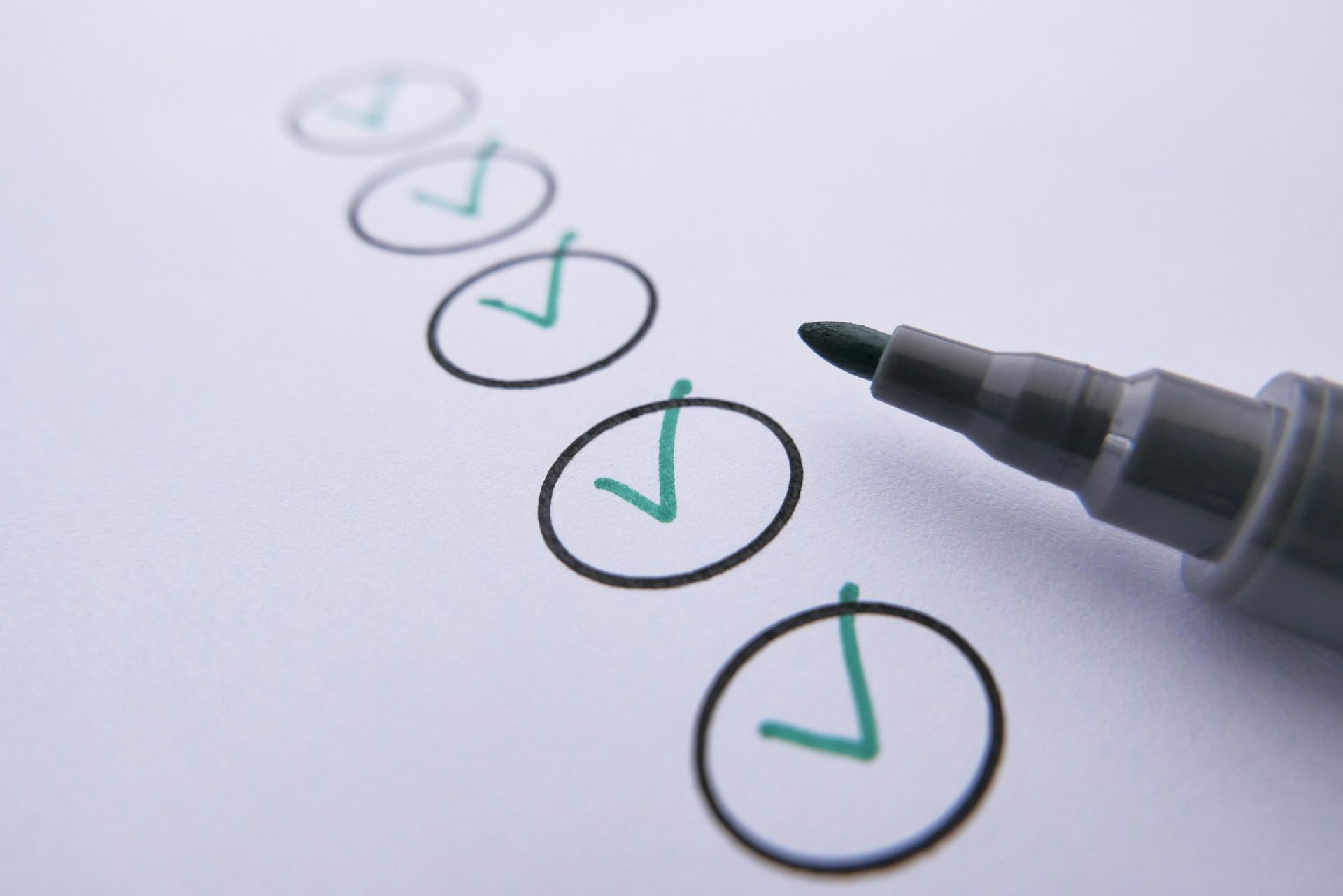
A thorough PPI covers three primary pillars: documentation, physical inspection, and operational testing.
1. The Paperwork Trail (Logbook Audit)
In aviation, if it isn't written down, it didn't happen. A comprehensive assessment begins with the logbooks. Technicians look for:
- AD Compliance: Ensuring all Airworthiness Directives (ADs) have been addressed and signed off.
- Damage History: Uncovering past gear-up landings or structural repairs that might affect hull value or future safety.
- Maintenance Consistency: Frequent oil changes and regular flying are often better for an engine than an aircraft that has sat idle for years.
2. The Physical Evaluation
This is the "greasy" part of the job. A technician will look into the dark corners of the airframe, often using borescopes to inspect engine cylinders for corrosion or scoring. Key areas include:
- Corrosion: The silent killer of aircraft. A PPI checks for oxidation in the wing spars, tail section, and fuselage.
- Engine Health: Beyond a simple compression test, a borescope inspection and oil analysis can reveal the internal "health" of the powerplant.
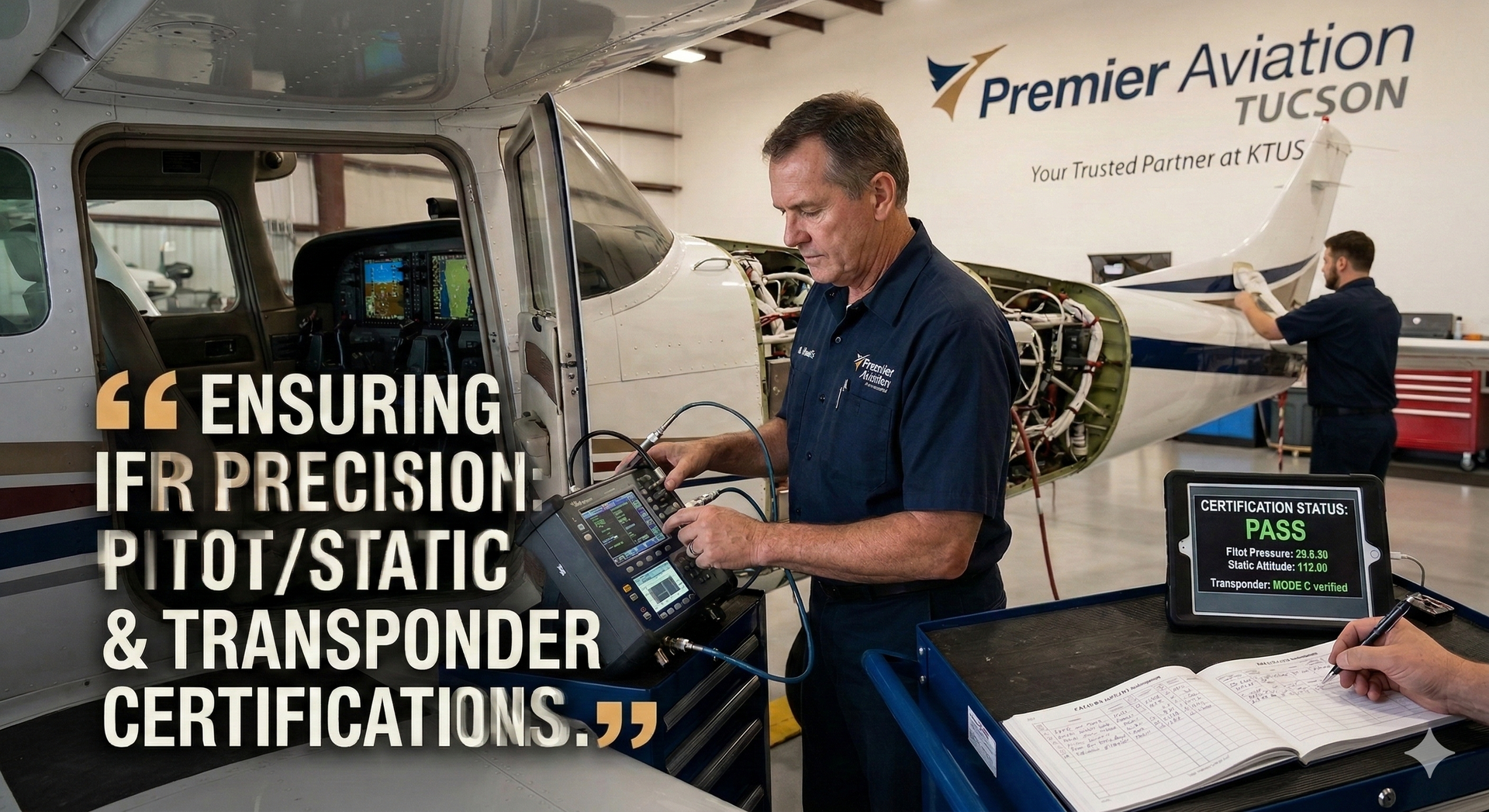
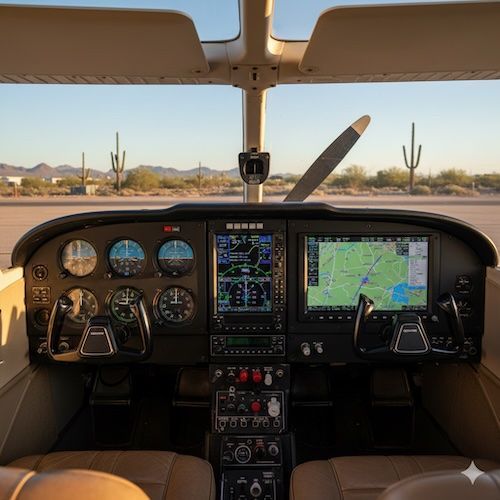
- Avionics and Systems: Testing the "glass" in the cockpit, the landing gear retraction cycles, and the heating/de-icing systems.
3. The Test Flight
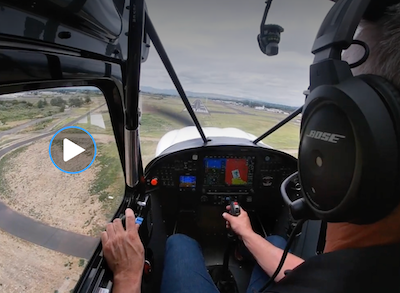
A physical inspection on the ground can’t reveal how the plane "feels" or how the systems behave under load. A PPI often includes a test flight to ensure the avionics track correctly, the engine hits its rated RPM, and there are no unusual vibrations or "gremlins" that only appear at altitude.
Helping Buyers Make Informed Decisions
The ultimate goal of a PPI isn't necessarily to find a "perfect" airplane—such a thing rarely exists in the used market. Instead, it provides the buyer with leverage and clarity.
- The Go/No-Go Decision: If the inspection reveals structural corrosion or a "timed-out" engine that wasn't disclosed, the buyer can walk away before the title transfers.
- Price Renegotiation: If the assessment uncovers $10,000 worth of necessary repairs, the buyer can ask the seller to fix the issues or lower the asking price accordingly.
- Future Budgeting: Even if the buyer decides to proceed, they now have a roadmap of what maintenance will be required in the next 12 to 24 months.
Conclusion
In the world of aviation, "surprises" are rarely good and almost always expensive. A Pre-Purchase Inspection is the only way to peel back the layers of an aircraft’s history and mechanical state. By investing in a comprehensive assessment before signing the final check, buyers ensure that their new-to-them aircraft is a source of joy and adventure rather than a source of unexpected liability.
Before you take to the skies in your own wings, make sure a qualified professional has gone over them with a fine-toothed comb. It is the best investment any pilot will ever make.